

Business Setup in Dubai: Options, Pricing and Expert Guidance
Your UAE business journey begins with choosing a structure that supports your plans. Mainland, free zone, and offshore companies differ in licensing, market access, ownership, and obligations. Incepto helps you compare options, understand costs, and make your next decision with confidence.
CHOOSE YOUR PATH
Explore Business Setup Options in Dubai
There are three main types of business setup in the UAE: free zone, mainland and offshore.
Each has distinct advantages, regulations and requirements.
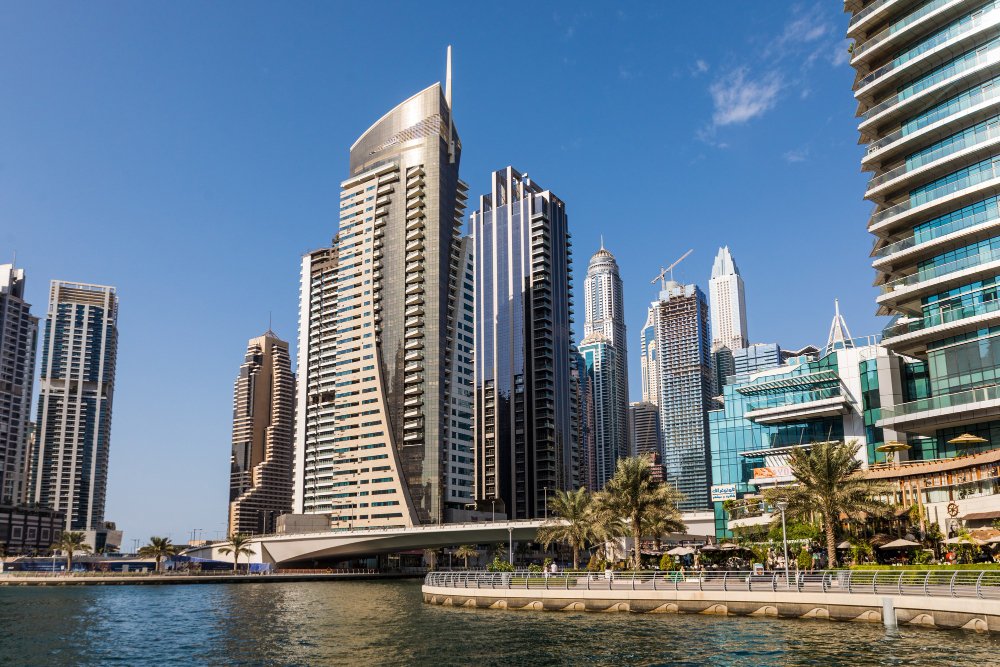
MAINLAND
COMPANY TRADE WITH
CONFIDENCE
COMPANY TRADE WITH
CONFIDENCE
Reach UAE customers and international markets confidently.
A Dubai mainland company can serve customers across the UAE and pursue international opportunities within its licensed activities. The Dubai Department of Economy and Tourism oversees mainland licensing. If you plan to work with local clients, maintain commercial premises, or pursue eligible government contracts, Incepto helps assess the structure and approvals your business requires.
Ideal for:
- Companies serving customers across UAE
- Businesses planning employee visas
- Government suppliers
Starting from
AED 14,999
Learn more

FREE ZONE
COMPANY YOUR GLOBAL
BASE
COMPANY YOUR GLOBAL
BASE
DUBAI
FREE ZONE
Sector-focused options. Flexible business setup possibilities.
UAE free zones offer licensing options, industry communities, and flexible workspace arrangements. Many allow foreign ownership, while tax and customs benefits depend on conditions. The right free zone depends on your activity, where you trade, your budget, and visa needs. Incepto compares jurisdictions before you commit to a company structure.
Best for:
- Startups
- Online businesses
- Cross-border commerce
- Technology ventures
- Freelancers
Starting from
AED 12,500*
Learn more
OFFSHORE
COMPANY INTERNATIONAL
STRUCTURES
MADE CLEAR
COMPANY INTERNATIONAL
STRUCTURES
MADE CLEAR
Consider ownership structures for international business interests.
UAE offshore structures may suit holding investments, owning certain assets, or specific international arrangements, depending on the jurisdiction. They differ from mainland and free zone operating licences and may restrict local trading and visa sponsorship. Incepto helps you understand incorporation routes, registered-agent requirements, applicable tax considerations, and reporting duties before deciding whether an offshore company meets your commercial objectives.
Ideal for:
- Holding structures
- International investments
- Asset ownership
Starting from
AED 12,500*
Learn more
YOUR VISION. OUR SUPPORT.
How Much Does Your Dubai Business Setup Cost?
Business setup costs differ according to your chosen jurisdiction, activities, shareholders, visa requirements, and workspace. A low advertised licence fee may exclude essential expenses. Incepto explains relevant charges and prepares a tailored, itemised quotation, so you understand your expected first-year costs before proceeding.
Free Zone Company Setup Costs
The displayed AED 12,500 free zone starting price is indicative, not a complete quotation. Visa allocations, workspace, establishment cards, and professional fees can affect your total. Incepto explains relevant components and prepares an itemised estimate based on your chosen jurisdiction, activities, and requirements. Request your quotation now.
Mainland Company Formation Costs
The displayed AED 14,999 mainland starting price is indicative. Charges depend on activities, legal structure, premises, and approvals. Visa and establishment expenses may apply separately. Incepto prepares an itemised quotation before you proceed.
Book a Compliance Services Consultation
Stay compliant with AML, UBO, ESR and KYC requirements. Get practical guidance, risk assessment support, and ongoing compliance assistance tailored to your business.
Trusted by businesses, supported by experienced professionals Practical guidance for your compliance needs
CLEAR STEPS. CONFIDENT DECISIONS.
How to Set Up a Company in Dubai
Start with a conversation at Incepto. We review your plans, explain available structures, coordinate paperwork, and guide each relevant application stage towards company registration and operational readiness.
Step 1
Discuss and decide
We discuss your activities and customers, then compare suitable jurisdictions, fees, and likely approval requirements.
Step 2
Structure and paperwork
We clarify ownership and legal form, then coordinate applications, documents, and supporting records appropriately.
Step 3
Name and permissions
We assist with trade name reservation and coordinate any relevant initial authority approvals.
Step 4
Licensing and records
We submit relevant applications and coordinate licensing and required immigration establishment records.
Step 5
Visas, banking and compliance
We assist with visas, banking preparation, and applicable VAT or Corporate Tax registrations.
UAE Company Formation Compared: Mainland, Free Zone and Offshore Options
Compare the main UAE company formation routes at a glance. This overview highlights market access, ownership, potential tax treatment, visa options, and workspace requirements so you can discuss a suitable structure with Incepto before deciding.
COMPARE. UNDERSTAND. CHOOSE BETTER.
Mainland vs Free Zone vs Offshore: Find Your UAE Business Advantage
Three business structures. Different possibilities. One informed decision. Discover which UAE setup aligns with your market, ownership plans, residency needs and long-term strategy.
Feature
Mainland
Free Zone
Offshore
Licensed by local economic development authority
Licensed by free zone authority
Registered with an offshore registrar
Access UAE and overseas
Serve global markets; mainland access requires authorisation
Operate internationally; direct UAE trading generally restricted
Eligible
Potentially eligible
Generally restricted
0%–9% standard rates
0% qualifying income; 9% non-qualifying income
Corporate Tax applies
100% ownership for most licensed activities
100%
100%
Visa allocation depends on premises
Visa quotas depend on packages
Typically no allocation
Premises rules vary
Flexible
Address required
Some activities need additional clearances
Activity-specific approvals apply
Registrar approval
100%
100% permitted
100% permitted
UAE-facing
Cross-border
Asset-holding
Structure-dependent
Structure-dependent
Holding structures available; transparency and disclosure obligations remain
Why Choose Incepto for Business Setup in Dubai
Advice Before Administration
We assess your activity, ownership requirements, market plans, visa needs, banking considerations and long-term objectives before recommending a jurisdiction or licence.
Clarity at Every Step
We explain the recommended structure, government fees, professional charges, documentation requirements and expected process before work begins.
One Relationship. Complete Support.
From incorporation and visas to banking support, accounting, tax and compliance, your requirements are coordinated through one accountable team.
Support Beyond Setup
After establishment, Incepto remains available to support renewals, amendments, visas, bookkeeping, tax obligations, compliance and the operational requirements that emerge as your business grows.
Frequently Asked Questions (FAQs)
Our team of experts fields common questions from people all over the globe about company formation in the UAE.
So many reasons! Here's a list of the most common ones:
- The UAE government actively promotes businesses as part of its long-term economic stability plan?
- Dubai offers a tax-friendly environment and competitive labor and financing costs.
- It has no foreign exchange controls, trade barriers, or quotas.
- Dubai is strategically placed for doing business, with easy access to 1.5 billion consumers in Africa, West Asia, Eastern Europe, and the Middle East.
- Our world-class transport links also make it an easy place to attract business to.
- In terms of business setup in Dubai, the process is straightforward and affordable.
- Dubai has a large pool of highly educated talent and world-class infrastructure, making it ideal for startups.
- Its high standard of living combined with unparalleled safety measures makes Dubai an alluring destination for global talent.
- Conducting market research in Dubai is simplified due to clear procedures and robust legal frameworks.
Fortunately, Dubai's economy was deliberately engineered to boost local business growth and innovation. Through the DED, the UAE government not only promotes entrepreneurship but also ensures economy insurance activities, offering incentives like low corporate taxes and easier business setup in Dubai.
This focus earns the UAE a 16th placement in the global Ease of Doing Business Index. With a dynamic economy, Dubai magnetizes various industries and, thanks to its strategic location, offers access to extensive markets spanning East and West. The city's free zones, including DWTC, JAFZA, and RAKEZ, amplify opportunities, while initiatives like Scale2Dubai provide funding for scaling ventures.
From a high level, to start a business in Dubai, you'll want to follow these steps. For a more detailed walkthrough, see how to start a business in Dubai:
Business Idea: Define your business idea and target market.
Business Plan: Draft a comprehensive plan detailing objectives, market analysis, and financial projections.
Legal Structure: Decide between Free Zone, Mainland, or Offshore company structures.
Trade Name: Pick a name compliant with the Department of Economic Development (DED) regulations.
Business License: Depending on your activities, apply for a commercial, professional, or industrial trade license.
Documentation: Submit required documents like passport, visa, and a No Objection Certificate (for expats) to the relevant authorities.
Office Space: Secure a physical address, essential for registration.
Corporate Bank Account: After getting your license, choose a bank that aligns with your business needs and open an account, or get support with bank account opening.
Visas: If hiring, process employee visas. The number is often determined by office size and license type.
Operational Setup: With administrative tasks done, set up operations and embark on your business journey.
Note: Requirements might vary based on your specific business setup in Dubai, so make sure you thoroughly research the next steps for your chosen structure.
Selecting the best business location will require that you consider a myriad of options. We strongly recommend that you engage the services of business setup consultants for these nuanced decisions, however, broadly speaking, you will want to understand:
- Nature of Business: Your business type influences the right location choices; for example, tech businesses often prefer free zones like Dubai Internet City.
- Target Market: Choose a location easily accessible to your primary customers.
- Infrastructure Needs: If international shipping is crucial, being near ports like Jebel Ali Port is advantageous.
- Budget: Rent and operational costs differ across areas, impacting your choice.
Legal Requirements: Specific business activities are zone-restricted, so many founders compare free zones and pricing with mainland company formation in Dubai before deciding.
A mainland business setup in the UAE provides unrestricted access to the onshore market, allows unlimited employee visas tied to adequate office space, and lets you bid for most government projects. Since the 2021 Commercial Companies Law amendments, most mainland commercial and industrial activities also permit 100% foreign ownership, provided your activity is on the permitted lists and any sector regulators approve, so Emirati equity partners are only required for restricted segments.
A free zone business setup continues to offer 100% foreign ownership plus customs exemptions, simplified import/export handling, and clusters tailored to industries such as media, logistics, or finance. Free zones are popular for firms prioritizing global operations, light regulation, or community-specific incentives.
- Business Activities: Mainland licenses cover over 3,000 activities across every sector, while each free zone targets defined industries with its own approved list.
- Trading: Trading directly with the UAE mainland market typically requires either a mainland license or a local distributor. Free zone entities must appoint agents to sell onshore unless they form a mainland branch.
- Ownership: Both mainland (for most commercial/industrial activities under the 2021 reforms) and free zones allow 100% foreign ownership; the key difference is whether your specific activity needs extra approvals or Emirati participation.
- Expansion Plans: Mainland structures offer simpler scaling within the UAE, whereas free zones facilitate regional expansion and cross-border logistics.
Cost: Setup and operational costs differ—free zones bundle visas, office options, and utilities, while mainland companies have variable DED, municipality, and tenancy fees.
In Dubai, there are three main types of business licenses that you can apply for depending on the nature of your business activities:
- Commercial License: This is for businesses engaged in trading activities. It covers a broad range of activities from retail to transportation services.
- Professional License: This is typically for individuals offering their expertise or services. It covers consultancies, accounting firms, and architectural firms among others.
- Industrial License: This license is for businesses that focus on manufacturing or industrial activities, usually involving transforming natural resources or materials into end products.
Each license type is governed by the DED in Dubai. It's important to define your business activities accurately as each license allows up to ten activities. For businesses in specific Free Zones or looking to operate offshore, there may be different license types and requirements.
Setting up a business in Dubai involves a few key legal and regulatory steps:
- Identifying your business activities: This is essential as it helps in deciding the type of license you'll need. Each license allows a maximum of ten activities.
- Choosing the legal structure: The legal structure of your company, whether it's a sole proprietorship, partnership, or LLC, will define how your business operates.
- Applying for a trade license: Depending on your business activity, you'll need to apply for a commercial, professional, or industrial trade license. Operating without a valid license can lead to heavy penalties.
- Documentation: You'll need several standard documents like a completed application form, and passport copies of shareholders. Some businesses may also need approvals from certain authorities.
- Registering Ultimate Beneficial Owners: The UAE requires all free zone and mainland operating companies to register their Ultimate Beneficial Owners for transparency and to avoid illegal transactions.
- Opening a corporate bank account: To conduct business in the UAE, you'll need to open a corporate bank account, and many founders get support with bank account opening.
- Immigration and visa processing: After getting your business license, you can start the visa application process for yourself, your employees, and any domestic staff.
- Adhering to naming conventions: The UAE has specific naming conventions for companies. Your chosen company name must not violate these conventions.
- Compliance with local laws: Businesses must ensure they comply with all local laws and regulations to avoid legal trouble, fines, or even jail time. This includes labor laws, environmental regulations, and others about your specific industry.
Office or physical presence: Depending on the nature of your business and the jurisdiction you choose, you may need to lease an office or warehouse. Considering the many steps and potential complexities involved in business setup in Dubai, it can be very beneficial to work with a company formation specialist.
100% foreign ownership is permitted for most UAE mainland commercial and industrial activities following the 2021 law changes, subject to the specific activity and regulatory approvals. A local Emirati shareholder is no longer required in most cases.
An LSA may still be required for professional licences and foreign branches (no ownership or control, fixed fee). For more detail, see local sponsor requirements. Some strategic sectors (e.g. oil & gas, banking, insurance, defence, certain legal services) remain restricted or require additional approvals or Emirati involvement.
In Dubai, there are several legal business structures you can choose from:
- Limited Liability Company (LLC): This is a popular choice for many small businesses and entrepreneurs. It offers operational flexibility and allows trading across the UAE and the GCC. Members of an LLC enjoy limited liability.
- Sole Proprietorships: This is a business owned and operated by a single individual. It's simple and has less administrative tasks, but the owner has unlimited liability.
- Civil Companies: These are professional companies usually established by lawyers, accountants, and other professionals, where 100% foreign ownership is allowed.
- Private Shareholder Companies: These are companies with limited liability, meaning the liability of shareholders is limited to their shares in the capital.
- Public Shareholding Companies: This is a company whose capital is divided into transferable shares of equal value and a partner therein shall be liable only to the extent of his share in the capital.
- Branch & Representative Offices: Foreign companies are allowed to establish a branch or representative office in Dubai.
- Free Zone Companies: These are companies set up in one of Dubai's free zones, like DWTC, JAFZA, DUQE, RAKEZ, and Creative City. These companies enjoy benefits such as 100% foreign ownership, tax exemptions, and fewer restrictions.
Offshore Companies: These are incorporated in the UAE but operate outside the UAE. They are used for a variety of purposes including tax planning and asset protection.
Yes, foreigners can have 100% ownership in certain business setups in Dubai. For instance, in several free zones, foreign investors can have full ownership of their business. Furthermore, recent changes in the UAE's Commercial Companies Law have made it possible for foreign investors to have 100% ownership of their businesses in many sectors, even outside free zones. However, be aware that certain strategic sectors like banking and telecommunications have some restrictions.
Legal document management and attestation in Dubai is a straightforward process, but it does require some understanding of the local regulations. When setting up your business, you'll typically need to prepare and submit a range of legal documents, such as the application form and copies of the shareholders' passports. Once your documents are submitted and approved, you will receive your business license. It's important to note that these documents must be kept up-to-date to avoid penalties or even the loss of your business license. As for attestation, this refers to the process of having your documents verified by the relevant authorities.
Renewing your business license in Dubai involves a few key steps. Firstly, you need to ensure that your tenancy contract is valid for at least three more months from the date you apply for renewal. Then, you'll need to complete a renewal form and gather the necessary documents, which often include attested authorization and approval letters, photographs of all business partners, as well as the payment number for renewal fees. Once all these are in order, you submit them to the DED. After your application is approved, you can pay the renewal fees and your license will be renewed.
Branch companies in Dubai, which are extensions of an existing foreign business, are allowed to trade independently and earn a profit. However, they are still under the complete ownership of the parent company and are not considered a separate legal entity. One of the limitations is that representative offices, a type of branch company, can only promote and source work for the parent company. They are not allowed to make a profit in the UAE and must outsource all work back to the parent company. Branches of free zone companies must also have a UAE national agent on board. Additionally, certain activities such as commercial agencies, banking and telecommunications, and certain types of professional consultancies are not eligible for 100% foreign ownership.
It depends on the type of business you're setting up. If you're establishing a Mainland company, you'll need a physical office space as per the regulations of the DED. However, if you're setting up a free zone company, many free zones allow for flexi-desk options, which is a more cost-efficient alternative to a full-time office space. Alternatively, there's the option of a virtual office. A virtual office in Dubai allows entrepreneurs to conduct business without needing physical premises.
Dubai has a highly advanced digital infrastructure, which is one of the reasons it's a preferred destination for businesses. The city is undergoing a massive digital transformation that benefits startups and SMEs. The DED provides comprehensive information on setting up a business online and has digital initiatives that encourage business investment and support startups.
Business setup consultants, like Virtuzone, guide you through every step of the complex process of business setup in Dubai. This includes helping you choose the right business activity and name, navigating free zone or mainland setup, and handling all required paperwork for your business license and corporate bank account opening. We have strong relationships with government departments, agencies, banks, and insurance companies, which can be a great asset as you launch your business. Our consultants are familiar with local requirements, laws, and potential pitfalls, saving you time and effort. If you're hiring employees, we can advise on the process of setting up their visas as well. Our goal is to make your business setup as efficient and smooth as possible, allowing you to focus on running your business once it's established.
Opening a corporate bank account in Dubai is a straightforward process, but it does require some documentation and a visit to the UAE. Here's a brief rundown:
- Choose a bank that aligns with your business needs.
- Schedule an appointment with the bank.
- Bring necessary documents, which typically include your passport, proof of address, and proof of income. Some banks may require additional documents.
- The bank will conduct a credit check and verify your identity. Remember, the process may take between two to four weeks. It's essential to choose the right type of account for your needs.
If needed, you can also get support with bank account opening.
The share capital requirements for setting up a business in Dubai can vary depending on the specific business type and the free zone you choose. Some free zones, for instance, require no share capital demonstration, while others may require you to list your share capital on the application but not provide evidence. However, it's important to mention that these requirements can change, and the best way to get the most accurate information is by checking directly with your preferred free zone or by consulting with a business setup specialist.
The process for obtaining employment visas and residence visas for staff involves several steps:
- Apply for an entry permit or employment visa for your employee. This is a temporary visa valid for 60 days while the residence visa is being processed.
- Once the entry permit is issued, you'll need to conduct a medical check-up for the employee.
- Apply for an Emirates ID and then apply for the residence visa. Please note that if your business operates within a free zone, you'll have to liaise with the relevant free zone authority to initiate the work permit and residence visa process. Mainland businesses can also review their options around mainland visas.
The Golden Visa in the UAE is a long-term residency program designed primarily for investors, entrepreneurs, and other high-skilled professionals. Unlike regular visas, which are typically valid for up to 3 years, the Golden Visa can provide residency for 5 or 10 years, and in some cases, it can be automatically renewed. One of the unique features of the Golden Visa is that it does not require a national sponsor, which simplifies the application process. Also, it allows the visa holder to own 100% of their business in the UAE. However, the Golden Visa program has strict eligibility criteria and is typically aimed at individuals who are looking to make substantial investments in the UAE.
The visa processing times in Dubai typically range from 2-4 weeks. However, this timeframe can vary depending on several factors, such as the type of visa applied for and the completeness of the application and supporting documents. As for the associated fees, they can vary significantly based on the type of visa and other related services.
Each free zone in the UAE is designed to cater to specific industries. For instance, JAFZA or Jebel Ali Free Zone Authority is ideal for businesses engaged in logistics or manufacturing due to its proximity to Jebel Ali Port and Al Maktoum International Airport. On the other hand, Dubai World Trade Centre (DWTC) free zone is perfect for businesses that want to be at the heart of Dubai's business district. The Ras Al Khaimah Economic Zone (RAKEZ) caters to a wide range of sectors, offering cost-effective solutions, and DUQE, located on the Queen Elizabeth Cruise Ship, provides a unique business environment. Lastly, Creative City is designed for media, communications, and creative businesses. Each free zone has its own rules, benefits, and processes, so it's important to choose one that suits your business needs best. If you're comparing jurisdictions, it can also help to review free zones and pricing.
Need Guidance? Let’s Discuss Your Plans!
Unsure which company structure fits? Speak with Incepto about your activities, budget, and growth plans. We explain your options and help identify practical next steps for incorporation.
- Responsive Communication
- Practical Guidance
- Tailored Support